
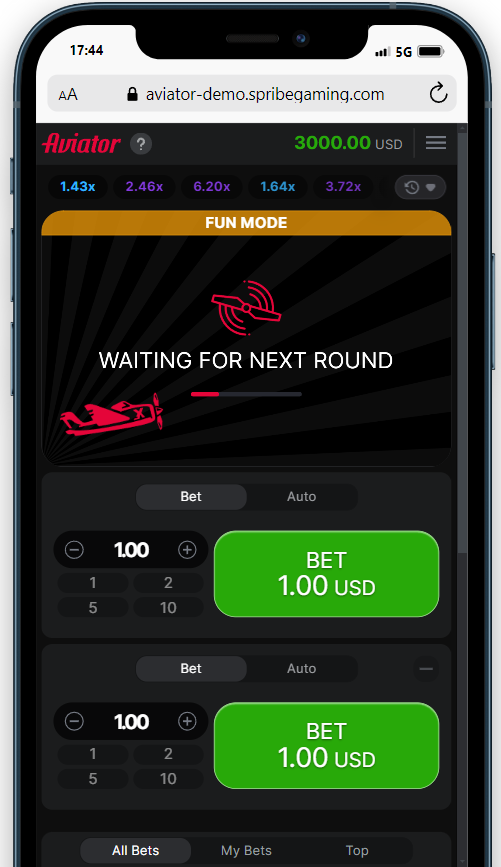
Having observed trends in online gambling across Canada for a while, I observe a certain form of player sophistication about games similar to Aviator. Casual observers might miss it, however the block function has emerged as a key part of approach for a lot of players locally. This is more than a button to stop yourself from betting. It is a strategic technique for managing risk and regulating a gaming session. In a game driven by a climbing multiplier and an abrupt halt, the ability to determine your risk in advance is everything. Players in Canada, in a market that pushes responsible gaming, have incorporated this mechanism into their strategy. They never view it as a panic button pulled now and then. They see it as a core part of their strategic plan. The way they employ it demonstrates a disciplined concentration on remaining in the game for extended periods, as opposed to going after a single dangerous payout.
What is the Block Function work?
The block function, also known as “Auto Cash Out” or “Limit Setting,” is a preventative feature. It lets a player to set conditions that on their own manage their bets. In Aviator, it usually works by stopping bets from being placed if certain things happen. This is distinct from an auto-cash-out, which locks in a win. The block function stops a potential loss before it begins. It acts as a gatekeeper for your money, intervening before a moment of spontaneity or frustration can lead to a bad choice. Think of it as a set of rules you set for your future self—the self that might be overconfident after a win or reckless after a loss.
You can generally configure this function a few various ways. A player can stop bets if their balance falls under a specific amount, protecting a financial cushion they decided on ahead of time. More strategically, they can block bets after a big win or a string of losses, forcing themselves to take a break. The function runs quietly in the background. Once you enable it and establish your parameters, it requires no more intervention during the tense moments of play. Its power is rooted in its pre-emptive nature. It’s a dedication to discipline made when you’re thinking clearly, intended to protect you from yourself when that focus might slip away.
Technical Setup and Player Control
Strictly speaking, the block function is a basic logic element embedded in the game client or account settings https://aviatorcasino.app/aviator/. Players input their parameters into a submission box. Before initiating a new wager, the system checks the present game situation against those parameters. If those criteria are fulfilled—for example your balance is now $5 under your limit—the “Place Bet” button might grey out, or a message will pop up to stop the transaction. This automated control is what makes it effective. The intervention is instant and absolute. You hand over control in advance to a logical restriction, so you need not depend on willpower when it counts.
This degree of player control signifies a genuine change in crash game design. It moves a portion of the burden from pure willpower to a system that supports the player. For gaming providers, offering these features matches responsible gaming goals and helps players stay engaged in a sustainable fashion. For the player, it alters the gameplay from a purely reactive experience to a more controlled and planned approach. The psychological upside is tangible. Knowing a hard stop is already in place allows a player to experience the game’s intensity without restraint, but only within the boundaries they themselves find acceptable. It transforms a potentially disorderly activity and imposes well-defined limits.
Calculated Utilization of the Stop Function in Canada
Canadian players have adopted the stop function and employed it with a calculated nuance that echoes the country’s larger, safety-aware gambling scene. Their key objective is fund protection. One approach I’ve seen frequently is a two-tiered blocking system. The initial pause engages when a gaming session loss limit is reached, maybe 20% of the original bankroll. This is a alert. A next, more rigid stop triggers at a absolute hard stop, perhaps 50% of the bankroll, which terminates the session completely. This multi-level approach generates a slowdown before a total halt, comparable to risk protocols in professional trading. It methodically blocks the classic trap of “chasing losses,” where emotional decisions can cause a small deficit expand.
Canadian players also frequently employ the stop feature to secure winnings and force themselves to enjoy breaks. For example, after a
- Loss Prevention: The most fundamental use. Players establish a block at a certain loss threshold (like $50) to protect their bankroll from evaporating during a rough run. This ensures they can come back and play another day.
- Profit Securing: After a large win, a block is placed to prevent re-betting all the profit. A typical approach is to halt further play until profits are cashed out, or to set a new balance floor that betting cannot go below.
- Emotional Pause: Blocks are set after a big win or a disappointing loss, mandating a required pause. This interrupts the cycle of rash “revenge betting” or the excessive belief in a “hot hand.”
- Session Control: Used to ensure disciplined session lengths. A player might stop bets after 20 rounds or 45 minutes of play, selecting sustained entertainment over lengthy, risky sessions.
- Bet Discipline: To prevent bet sizes from increasing, a block can halt play if any particular bet exceeds a defined percentage of the bankroll. This promotes consistent money management.
Blocking Feature and Controlled Play in Canada
The match between the block function and Canada’s responsible gaming framework is solid and deliberate. Provincial regulators and regulated platforms here emphasize player protection tools. Features like the block function are a straightforward digital response to that priority. They provide the individual player a specific, pre-emptive way to look after themselves. In a regulatory environment that demands self-exclusion programs and deposit limits, the block function acts as a micro-level, session-specific complement to those broader tools. It places detailed control directly in the user’s hands. This matches the Canadian idea of personal responsibility backed up by system safeguards.
From a harm reduction view, the function is incredibly useful. It serves as a circuit breaker for problematic behavior before things get worse. Enabling players set limits based on their own financial and emotional triggers fosters a mindfulness that fast-paced games often erode. Approved providers in provinces like Ontario, governed by AGCO rules, are encouraged to provide these features. Offering them isn’t just a bonus; it’s a sign a platform takes consumer safety seriously. For the Canadian player, using these tools is increasingly regarded not as a weakness, but as the hallmark of a smart, sustainable way to engage in gaming.
A Tool for Attentive Entertainment
Ultimately, the block function changes Aviator from a pure game of chance into an activity of thoughtful entertainment. It lets Canadian players savor the rush of the crash mechanic while preserving a basic layer of individual security. This awareness is why the feature has caught on. Players say they feel more in control and calmer during play, knowing the rules they set earlier are effectively protecting them from their own potential excesses. The game becomes less about fighting temptation in the thick of the moment and centered on following a plan made in advance. That transformation is important. It turns the experience from something that could be anxiety-inducing into something centered on managed excitement.

This method resonates with a Canadian audience that tends to prioritize balance and moderation. The block function preserves the risk or the fun. It just bounds that fun inside boundaries you set yourself. It accepts that the game’s excitement comes from its volatility, but that appreciating it long-term means controlling that volatility. By utilizing this tool, players make a conscious choice. They choose to focus on their enjoyment and financial well-being over the uncontrolled hunt for one big score. It shows a sophisticated step forward in how interactive gaming is approached, moving away from reckless play and toward a more deliberate, recreational model.
Comparison: International vs. Canada’s Use
Worldwide, usage of the block function is more mixed and frequently less structured. In numerous markets, players often overlook the feature or employ it mostly as a “panic button” after sustaining significant losses, rendering it a reactive instrument as opposed to a preventive measure. Culture and regulatory environment play a major part here. In places with less focus on official responsible gaming tools, players may depend entirely on personal discipline, which results in more erratic play patterns. They might regard the feature as an unnecessary complication, not a central part of the game.
The Canadian strategy is significantly more organized. A regulated market with robust consumer protection standards has rendered employing all on offer player protection tools standard. Canadian users are more inclined to establish numerous, layered blocks right at the start of a session, as an element of their standard routine. They also more frequently utilize the function to protect profits and time their sessions, not solely to curb losses. This suggests a wider strategic outlook of the overall gaming session, similar to overseeing a modest investment. A cultural leaning toward prudence and preparation, alongside encouragement from licensed platforms, has forged a characteristic “Canadian style” for the block function. It’s comprehensive, pre-emptive, and integral to their philosophy of play.
Hands-on Guide to Setting Up Your Blocks
Setting up an successful block strategy requires some thought beforehand. First, ahead of you fund or begin gaming, decide on your session bankroll. This is funds you are completely fine losing. Your principal block should block bets once you’ve lost 70-80% of this bankroll. View this as your “soft stop,” a signal you’re having a tough session. A secondary, hard block should be at 100% of your session bankroll. Next, set what success looks like. Select a profit goal, like a 50% gain. Once you reach it, establish a block to maintain your balance from falling back below your original bankroll. This lets you gamble with pure profit. Finally, account for time. Use a clock or the game’s own features to block bets after 30-45 minutes, forcing a mental reset.
The main thing is to establish these blocks right after you deposit, or at the very beginning of your session, when you’re calm and objective. Do not modify these blocks in the heat of a session, especially after a loss or a big win. Your thinking won’t be at its best then. The tool’s entire power comes from that pre-commitment. View your block settings as unbreakable rules for that session. Later, evaluate how they worked. Did your loss limit feel too tight? Was your profit goal too high? Fine-tune these parameters over time based on your observations, not your feelings in the moment. This method of refining and learning turns gambling from a unstructured activity into a polished personal hobby with clear limits.
Psychological Benefits and Extended Play
Using the block function consistently has a major psychological impact. It relieves you of the constant decision about when to stop, which is often the toughest choice in gambling. By automating that, you free up mental energy to devote to the strategic decisions inside the game, like bet sizing and cash-out points. It also reduces regret after a session. Knowing you stopped because a rational, pre-set rule was triggered is much easier to live with than stopping because you were annoyed or drained. This cultivates a more constructive relationship with the game, making you less likely to make an impulsive, revenge-fueled deposit later on.
For extended engagement, this is essential. Players who utilize these controls indicate higher satisfaction and remain on gaming platforms longer. They escape the devastating losses that make people stop for good. So the block function is more than a protective tool for the player. It’s a retention tool for the operator. It facilitates a kind of recreational gaming that can persist. By trimming off the worst extremes, it maintains the activity firmly in the territory of entertainment, not distress. For the Canadian market, where gaming is legally framed as a form of entertainment, this tool is expertly designed to ensure the real experience matches that idea.
Conclusion: The Block as a Key Necessity
Examining how Canadians play Aviator points me to one definite point. The block function has shifted from a niche feature to a key necessity for considerate players. How it’s been utilized shows a sophisticated gaming culture that values control, responsibility, and long-term fun over unchecked risk-taking. Canadian players have proven that the real skill in a game like Aviator isn’t just in deciding your exit point. It’s in expertly managing all the aspects of your session. The block function is the primary instrument for that management. It embodies a blend of entertainment and discipline, letting the game’s thrill occur inside a protected, self-regulated frame.
Looking ahead, I anticipate this tool will get more refined. We may see customized data analysis or more adaptive, adaptive blocking based on how you play. The idea behind it—that players are entitled to effective, automated tools to uphold their own limits—will likely become a normal standard across all online gaming. For anyone playing Aviator or similar crash games, especially in a controlled environment like Canada, understanding the block function isn’t an optional advanced trick. It’s the essential first step toward a more strategic, more protected, and more rewarding gaming experience. It’s the feature that firmly divides a thoughtful approach from just rolling the dice.